
Singapore’s GST ecosystem has evolved rapidly over the past decade, shifting from a simple consumption tax mechanism to a strategic component of business compliance. As companies scale, expand overseas, or diversify revenue sources, GST obligations become increasingly complex. Achieving full compliance requires more than routine filing, it demands a deeper understanding of tax strategy, regulatory risk, and commercial planning.
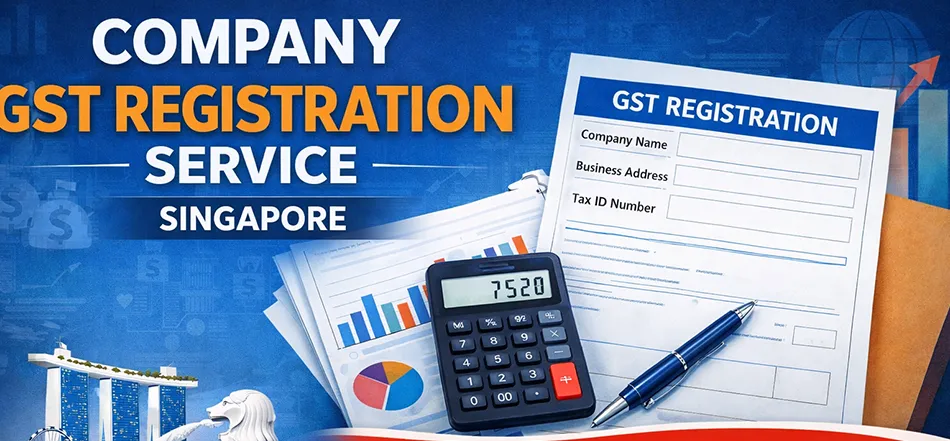
For many small to mid-sized businesses, working with a professional company GST registration service Singapore offers clarity, accuracy, and peace of mind. Instead of navigating dense tax legislation, companies can rely on accounting specialists who understand how GST interacts with cash flow, business models, cross-border supply chains, and technology infrastructure.
In this thought-leadership article, we examine what GST means for businesses, who needs to register, how the process works, and why outsourcing registration to a specialist is increasingly preferred across Singapore’s corporate landscape.
Understanding the Foundations of GST Registration in Singapore
GST Goods and Services Tax is a broad-based consumption tax currently set at 9%. It applies to most supplies of goods and services in Singapore and to imported goods. In essence, GST acts as a self-policing tax mechanism: each business registered for GST charges output tax and claims input tax, creating a transparent trail that reduces evasion and improves accountability.
For businesses, GST should not be viewed merely as a compliance obligation. Instead, it can influence:
- Pricing strategy.
- Cost structures.
- Market competitiveness.
- Cash flow timing.
- International tax exposure.
Many businesses only realise the full strategic value of accurate GST management after registration especially when moving into higher-value markets or tender-based industries where GST registration is expected.
The Rising Demand for Professional GST Support
Today, companies are increasingly turning to company GST registration service Singapore solutions to streamline the administrative burden of registration. This shift is driven by several structural trends:
- Business expansion: More SMEs are crossing the S$1 million annual turnover threshold, triggering compulsory registration.
- Digital commerce: Online businesses and service providers now operate across borders, elevating compliance risk.
- Regulatory scrutiny: The IRAS has strengthened its audit and offence frameworks, increasing expectations for documentation accuracy.
- Resource limitations: Recruiting internal tax talent is costly and impractical for most SMEs.
The result: outsourcing GST work is no longer a luxury, it is a strategic necessity.
GST Registration in Singapore: Compulsory vs Voluntary
One of the most common questions business leaders ask is: Who can register for GST in Singapore?
The answer depends on revenue status and business intention. Companies fall under two main categories:
1. Compulsory GST Registration
Businesses must register if:
- Their taxable turnover exceeds S$1 million in the past 12 months.
- They expect turnover to exceed S$1 million in the next 12 months (based on contracts, projections, or signed agreements).
Failure to register may lead to:
- Tax penalties.
- Backdated GST assessments.
- Interest charges.
- IRAS investigation.
2. Voluntary GST Registration
Businesses may choose to register voluntarily even if turnover has not reached S$1 million.
This is increasingly common among:
- B2B service providers.
- Export-oriented businesses.
- Companies with significant claimable input tax.
However, voluntary registrants must commit to:
- At least 2 years of GST filing.
- Proper internal record-keeping.
This is one reason companies often seek expert GST registration in Singapore guidance before deciding.
How to Apply for GST Registration: Key Steps
Many business owners assume GST registration is simply an online form submission. In reality, IRAS evaluates every application carefully to assess eligibility and risk exposure.
Here is a structured breakdown of how to apply for GST registration:
Step 1: Determine eligibility
GST registration processing times vary based on business type, complexity, and completeness of documentation. Simple businesses with accurate, complete submissions may be approved quickly, while complex operations or incomplete information can cause delays. Providing all required documents and accurate details upfront helps streamline the process, ensuring faster approval and reducing administrative hurdles for smooth GST compliance.
Step 2: Complete e-Learning requirements
Voluntary GST registration is required for applicants who meet specific conditions, such as exceeding turnover thresholds or seeking to claim input tax. Meeting these criteria allows businesses to legally register, recover eligible GST, and enhance credibility, even if registration is not mandatory. Proper assessment ensures compliance and maximizes financial benefits from GST registration.
Step 3: Prepare supporting documents
These may include:
- Financial statements.
- Projected sales reports.
- Business contracts.
- Accounting system details.
Step 4: Submit Form GST F1
GST registration applications must be submitted electronically through the official portal, ensuring faster processing, accurate record-keeping, and secure handling of business information. Electronic submission simplifies tracking, reduces paperwork, and helps maintain compliance with regulatory requirements, making the registration process more efficient for both businesses and authorities.
Step 5: Await IRAS approval
The processing time for GST registration depends on the business type, complexity, and completeness of submitted documentation. Simple businesses with accurate, complete information may receive approval quickly, while complex cases or incomplete submissions can cause delays. Ensuring all required documents are correctly provided upfront helps streamline the process and supports timely GST compliance.
While these steps are straightforward on paper, technical complexities arise around revenue classification, supply type segmentation, and zero-rate eligibility. This is why many companies choose to engage a company GST registration service Singapore provider who can handle documentation, assess risk, and ensure accuracy.
Minimum Requirements for GST Registration
Many businesses ask:
What is the minimum requirement for GST registration?
The baseline requirement is the same for all applicants whether compulsory or voluntary:
- The business must be operating or intending to operate taxable supplies in Singapore.
For voluntary registration, IRAS may request additional verification to ensure legitimacy and compliance commitment. These safeguards prevent misuse of input tax credits.
Understanding the Role of a GST Supplier
Another common query is:
Who is the supplier for GST?
The supplier is the business providing goods or services. Their responsibility is to charge GST to customers (output tax) and manage compliance reporting.
For companies selling digital services or cross-border supplies, determining the place of supply is particularly nuanced. These businesses often require specialist accounting guidance to avoid misclassification.
Addressing Cost: What Is the Minimum Fee for GST Registration?
While IRAS does not charge fees for GST registration itself, businesses often ask about the minimum cost involved.
This depends on whether the company uses internal resources or engages a tax professional.
Professional GST services usually include:
- GST eligibility assessment.
- Document preparation.
- IRAS communication.
- Strategic tax guidance.
- Post-registration filing setup. See our GST filing guide for the full return process.
For businesses planning long-term compliance, this investment prevents costly penalties and protects operational credibility.
Why GST Registration Matters for Strategic Growth
GST compliance affects more than tax reporting. It shapes how companies operate at scale. GST-registered businesses enjoy distinct advantages:
- Greater B2B credibility: Many large clients prefer dealing only with GST-registered entities.
- Access to input tax credits: Registered companies can offset GST paid on business purchases.
- Competitive pricing: Input tax recovery reduces overall cost structure.
- Export potential: Zero-rated supplies enable global competitiveness.
These advantages explain why voluntary registration through a trusted company GST registration service Singapore can be a catalyst for growth, not merely a compliance step.
The Case for Outsourcing GST Registration to Tax Specialists
For more than 30 years, Singapore businesses have relied on tax advisory firms to strengthen compliance and reduce administrative overheads. Today, this need is more relevant than ever.
An experienced provider delivers:
- Technical accuracy: Specialists understand GST legislation, exemptions, and complex supply categories.
- Reduced compliance risk: Errors may lead to deferred approvals or audit exposure.
- Business-specific advisory: GST rules differ for retail, service-based, construction, tech, and trading businesses.
- Long-term planning: Firms support filing, reconciliation, reporting and audit defence.
In this environment, accounting firms like SBC provide a structured combination of technical tax expertise and future-focused advisory helping companies move beyond transactional compliance into strategic tax planning.
Strategic GST Considerations for Business Leaders
Before registering for GST, senior decision-makers should ask:
Is the business ready operationally?
Accounting systems should be fully equipped to accurately record GST output, input tax, and zero-rated transactions. Proper configuration ensures correct tax calculations, compliant reporting, and smooth GST filing. A well-prepared system reduces errors, supports audits, and helps businesses maintain regulatory compliance while managing cash flow effectively.
Will the business benefit financially?
Input tax claims can often exceed the administrative costs of GST compliance. When a business regularly incurs GST on purchases, recovering input tax can improve cash flow and overall profitability. In such cases, the financial benefits of GST registration may justify the time, effort, and resources required to manage ongoing reporting obligations.
What is the cross-border model?
The classification of overseas supplies directly affects GST eligibility and treatment. Whether a supply is considered local, zero-rated, or out-of-scope determines if GST must be charged or can be reclaimed. Correct classification is essential to ensure compliance, avoid penalties, and apply GST rules accurately for cross-border transactions.
How will GST affect pricing?
Registered businesses need to communicate and manage customer expectations regarding price changes due to GST. Proper transparency ensures customers understand any adjustments, maintains trust, and prevents disputes. Clear pricing strategies and consistent messaging help businesses smoothly implement GST without negatively impacting sales or customer satisfaction.
These are not checkboxes, they are strategic considerations that impact enterprise direction.
The Importance of a Long-Term GST Framework
Compliance is ongoing. Businesses must remain vigilant even after approval. This includes:
- Timely filing.
- Accurate documentation.
- Evidence of taxable supplies.
- Correct classification of income and expenses.
Tax authorities now rely on digital auditing tools to detect reporting anomalies. Internal controls are critical, especially for companies experiencing rapid growth.
Conclusion
GST registration is not simply about meeting regulatory obligations, it is about shaping a sustainable business foundation. By partnering with a professional company GST registration service Singapore, businesses gain clarity, efficiency, and assurance.
Firms like SBC add long-term value by integrating compliance support with strategic tax advisory. This protects companies from regulatory exposure, strengthens operational credibility, and positions them for future expansion.
In a market where businesses are increasingly judged by financial governance standards, GST registration signalling trustworthiness and capability. And for forward-looking organisations, that trust is an asset worth investing in.
Frequently Asked Questions
How to apply for GST registration in Singapore?
GST applications are submitted through IRAS using Form GST F1, supported by financial and operational records. Companies may apply under compulsory or voluntary registration. Most businesses engage a professional service to manage compliance requirements and documentation.
Who can register for GST in Singapore?
Any business with annual taxable turnover exceeding S$1 million must register. Companies below the threshold may register voluntarily if they meet eligibility requirements.
Who is the supplier for GST?
The supplier is the entity providing goods or services. They are responsible for charging GST, reporting output tax, and maintaining compliance records.
What is the minimum requirement for GST registration?
The core requirement is that the business must be operating or intending to operate taxable supplies in Singapore. Additional criteria apply for voluntary applicants.
What is the minimum fee for GST registration?
IRAS does not charge fees. However, businesses may choose professional support for registration and advisory, which varies based on complexity.