

Understanding how to renew business registration in Singapore is a critical responsibility for business owners who want to maintain legal compliance and protect operational continuity. While company incorporation often receives the most attention, renewal obligations are equally important. Missing deadlines can lead to financial penalties, administrative complications, and even business cessation.
Singapore’s regulatory framework is globally respected for its transparency and efficiency, but it expects companies and sole proprietors to uphold strict compliance standards. Whether you operate a small enterprise, partnership, or limited liability structure, staying informed about the Singapore business renewal process ensures your organisation remains in good standing with the Accounting and Corporate Regulatory Authority (ACRA).
This guide provides a structured, advisory-driven overview of business registration renewal in Singapore, including timelines, procedures, professional support options, and strategic considerations that sophisticated business leaders should understand.
To understand how to renew business registration in Singapore, confirm your expiry date, file through ACRA’s online portal, update business details, complete payment, and consider professional support to ensure compliance and avoid penalties.
Why Business Renewal Matters More Than Many Owners Realise
Renewing a business registration is not simply a procedural exercise. It signals that the entity remains active, accountable, and compliant with statutory obligations.
Failure to complete a renewal on time may result in late fees, enforcement actions, or removal from the official register. Beyond regulatory consequences, lapses can disrupt banking relationships, contractual agreements, and investor confidence.
From a governance perspective, renewal demonstrates organisational discipline, a quality often scrutinised by stakeholders, lenders, and regulators alike.
For growth-oriented companies, compliance is not merely defensive; it is reputational.
How Often to Renew Business Registration Singapore
One of the most frequently asked questions is how often to renew business registration in Singapore. The answer depends largely on the business structure.
For sole proprietorships and partnerships, registration typically lasts either one or three years, depending on the option selected during incorporation or the previous renewal cycle. Owners must submit a renewal before the expiry date to prevent automatic termination.
Companies incorporated as private limited entities differ slightly. While the company itself does not “expire,” it must continue meeting ongoing compliance requirements such as annual return filings and maintaining accurate corporate records. Many business owners informally refer to this as renew company registration Singapore, though technically it falls within broader corporate compliance.
Recognising these distinctions helps leadership teams plan proactively rather than reactively.
Understanding the Singapore Business Renewal Process
The Singapore business renewal process is intentionally streamlined to reduce administrative burden while maintaining regulatory oversight.
Renewals are handled digitally through ACRA’s secure platforms, reinforcing Singapore’s reputation as a technologically advanced business hub.
At a strategic level, the process involves verifying business details, confirming operational status, and submitting the renewal before the registration lapses. Accuracy is essential, as outdated information can trigger compliance queries.
Organisations that treat renewal as part of a broader governance calendar typically avoid last-minute stress and operational risk.
ACRA Business Renewal Singapore: What You Should Know
The ACRA business renewal Singapore framework reflects the authority’s commitment to regulatory clarity.
ACRA oversees entity registration, public records, and corporate transparency. Its digital infrastructure allows business owners to complete renewals efficiently, but responsibility ultimately remains with the entity.
Many leaders underestimate how quickly deadlines approach, particularly during periods of expansion, restructuring, or leadership transition. Embedding renewal reminders within internal compliance systems often prevents costly oversights.
From a boardroom perspective, renewal is less about administration and more about sustaining corporate legitimacy.
Step-by-Step: How to Renew Business Registration Singapore
For those seeking clarity on how to renew business registration Singapore, the procedure follows a logical progression.
- Confirm the registration expiry date through official records.
• Access the ACRA renewal online service using authorised credentials.
• Review and update business particulars where necessary.
• Select the preferred renewal duration if applicable.
• Complete payment and retain confirmation for governance records.
Although the workflow appears straightforward, attention to detail remains vital. Even minor inaccuracies can create downstream complications.
Well-managed organisations often assign responsibility for renewal to a corporate secretary or compliance officer to ensure accountability.
ACRA Renewal Online Service: Efficiency with Responsibility
The ACRA renewal online service exemplifies Singapore’s digital-first regulatory philosophy. Transactions that once required physical paperwork can now be completed securely within minutes.
However, convenience should not be mistaken for informality. Digital filings carry the same legal weight as traditional submissions.
Senior leadership teams increasingly recognise that regulatory technology enhances efficiency but does not replace oversight.
Treating online renewal as a governance task rather than a clerical duty strengthens organisational resilience.
Common Risks When Businesses Delay Renewal
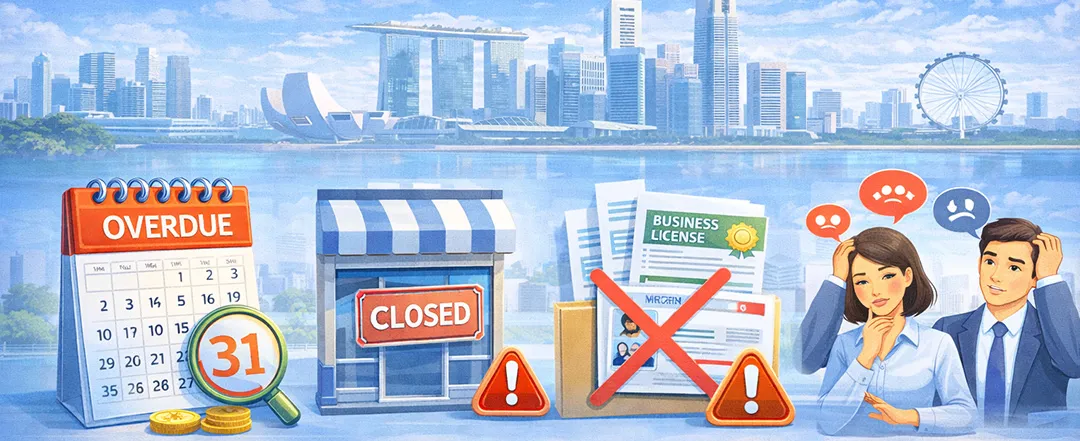
Even well-run organisations occasionally overlook renewal deadlines. The consequences often extend beyond late fees.
Operational disruptions may arise if licences or commercial agreements depend on an active registration status. Vendors and financial institutions frequently verify entity legitimacy before proceeding with transactions.
In more serious cases, authorities may impose enforcement measures that complicate reinstatement.
From a risk-management standpoint, prevention is always more cost-effective than remediation.
When Professional Support Becomes a Strategic Advantage
As regulatory expectations evolve, many companies explore professional help to renew business registration Singapore rather than managing the process internally.
Advisory firms offer structured oversight, deadline tracking, and accuracy checks that reduce compliance exposure. This is particularly valuable for organisations with regional operations, complex ownership structures, or lean administrative teams.
Engaging a Singapore business renewal service also allows executives to remain focused on strategy rather than administrative detail.
In modern corporate environments, outsourcing compliance is often viewed not as a cost but as a governance enhancement.
Business Renewal Support Singapore: Beyond Filing
Comprehensive business renewal support Singapore typically extends beyond submitting forms.
Advisors often review corporate records, identify inconsistencies, and ensure alignment with broader statutory requirements. This integrated perspective supports stronger governance while reducing the likelihood of regulatory scrutiny.
Companies preparing for funding rounds, mergers, or international expansion frequently prioritise compliance housekeeping renewal included to present a credible corporate profile.
Investors rarely overlook administrative discipline.
Company Renewal Filing Singapore and Corporate Governance
Effective company renewal filing Singapore practices reflect a deeper organisational commitment to governance.
Boards increasingly expect management teams to maintain structured compliance calendars covering renewals, filings, and statutory disclosures.
This proactive stance reduces operational friction and enhances strategic agility. Organisations that manage compliance efficiently can respond faster to opportunities because their regulatory foundation is secure.
In contrast, administrative lapses often surface during due diligence, precisely when credibility matters most.
Renew Company Registration Singapore Without Operational Disruption
When leaders approach renew company registration in Singapore strategically, the process becomes almost invisible operationally.
Planning ahead allows finance, legal, and administrative teams to coordinate timelines without interrupting core activities.
Embedding renewal into annual planning cycles also reinforces organisational discipline. Over time, such habits contribute to a culture where compliance is automatic rather than reactive.
For sophisticated enterprises, this consistency becomes a competitive strength.
Strategic Benefits of Staying Ahead of Renewal Deadlines
Businesses that prioritise timely renewal often experience advantages that extend beyond regulatory compliance.
They project reliability to partners, strengthen institutional trust, and minimise exposure to preventable risks. Internally, structured compliance fosters clarity around roles and responsibilities.
Perhaps most importantly, leadership teams gain peace of mind as an underrated yet powerful operational asset.
When governance runs smoothly, strategic thinking flourishes.
Conclusion
Knowing how to renew business registration in Singapore is fundamental to sustaining a legally compliant and operationally resilient enterprise. Although the process is designed for efficiency, it requires attention, accuracy, and forward planning.
In today’s regulatory environment, renewal should be viewed not as a routine task but as an essential component of corporate governance. Businesses that embed compliance into their operational rhythm position themselves for stable growth and stronger stakeholder confidence.
Whether handled internally or through professional advisors, disciplined renewal practices protect organisational credibility, allowing leadership teams to focus on what truly matters: building a durable, future-ready business.
Frequently Asked Questions
When can I renew my business registration in Singapore?
Businesses can typically renew before the registration expiry date. Early action is advisable to avoid penalties and administrative complications.
How do I renew my trademark registration?
Trademark renewal is handled separately through the Intellectual Property Office of Singapore (IPOS). Businesses should track both corporate and intellectual property deadlines to maintain full protection.
What is the fee for business renewal?
Fees vary depending on the business structure and renewal duration. Sole proprietorships and partnerships usually pay a modest government fee, while advisory services may involve additional professional charges.
Does a business need to be renewed regularly?
Yes. Sole proprietorships and partnerships must renew periodically, while companies must meet ongoing statutory filing obligations to remain compliant.
What is the timeline for business renewal?
Renewal should occur before the registration expires. Many organisations initiate the process weeks in advance to ensure sufficient time for verification and approval.